

Rome 2025 – Visiting the Eternal City in aJubilee Year
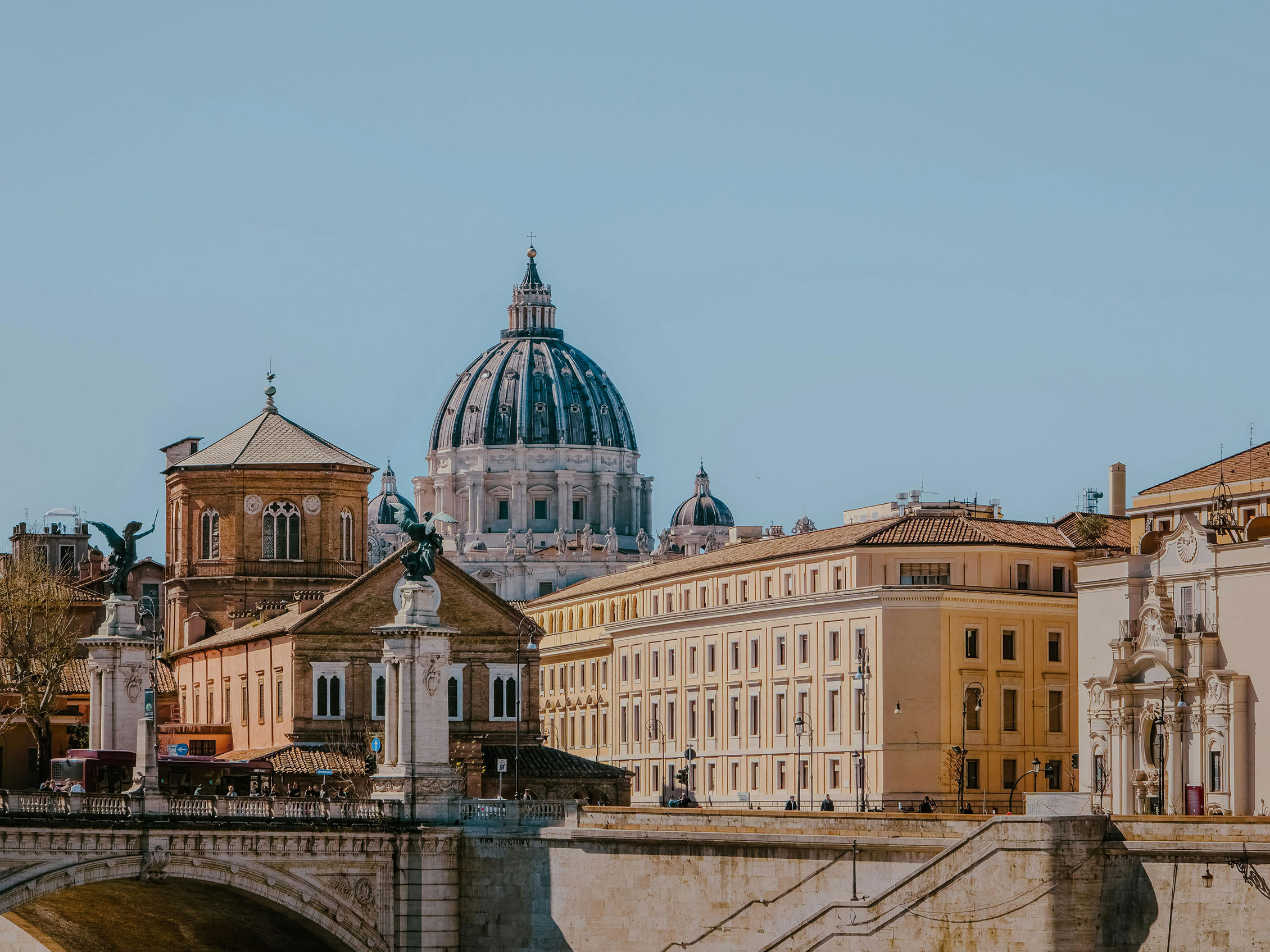
Rome has always been a palimpsest of ages, but 2025 feels like ink still drying on fresh parchment. Six months into the Catholic Jubilee of Hope, the city is more alive, polished – and surprisingly contemplative – than we have seen in decades. Even if faith is not your compass, understanding what the Jubilee represents will help you navigate this once‑in‑a‑generation atmosphere.
What the Jubilee Means
A Jubilee is a Holy Year when pilgrims are invited to cross the porta santa, the Holy Door, in Rome’s four major basilicas to seek renewal. The ritual dates back to 1300, recurring roughly every quarter‑century. Since Christmas Eve 2024 the doors of St Peter’s, St John Lateran, St Mary Major and St Paul Outside the Walls have swung open, and streams of visitors – curious, spiritual, or both – have joined processions that braid devotion with discovery.
Six Months In: What We’ve Seen
The city has been dressed for the occasion: façades scrubbed to travertine brilliance, fountains mended, new pedestrian corridors carved between monuments. Nightly illuminations bathe Castel Sant’Angelo and the Tiber bridges in soft gold; free concerts echo through Renaissance courtyards; pop‑up confessionals appear in unlikely corners of Trastevere.
Crowds ebb and flow like a tide. January and February were gentle, with short queues even at the Colosseum. By Easter, St Peter’s Square resembled a mosaic of flags. Now, in June, Rome hums: group chants mingle with cicadas, and cafés stay open late for pilgrims clutching brand‑new Testimonium certificates.
Why the Next Six Months Matter
- Second Opening Wave: Many travellers postponed trips to avoid spring crowds and soaring airfares. Autumn 2025 is forecast as the “second peak”, especially around the closing of the Holy Doors in December.
- Cultural Windfall: Restorations fast‑tracked for the Jubilee (Ara Pacis lighting, Largo Argentina walkways, the Forum’s Curia repaint) will be completed by September. You’ll see treasures unveiled almost weekly.
- Modern Mobility: The Metro C extension, long a Roman myth, now links San Giovanni to the heart of the Centro Storico. A shuttle loop for pilgrims connects the four basilicas – still free and nearly empty after 20:00.
- Night Access: Until the Holy Doors close, basilicas open for silent prayer from 22:00 to midnight on Fridays. Imagine walking into St Peter’s under Michelangelo’s dome with fewer than a hundred souls.
How to Experience Rome, Mid‑Jubilee
- Start at Dawn: The Colosseum at 06:45, when gulls outnumber tourists, feels almost private. From there, stroll the empty Via dei Fori Imperiali up to a still‑sleepy TreviFountain.
- Walk the Jubilee Mile: From Castel Sant’Angelo across Ponte Sant’Angelo to St Peter’s Square – statues glow, buskers play Vivaldi, and cafés along Borgo Pio serve maritozzi by 07:30.
- Collect the Four Stamps: Each major basilica offers a Jubilee passport stamp – a free, tangible keepsake. Pace your visits over two days to feel the changing moods of the city.
- Seek Quiet Beauty: Escape the bustle in the orange‑scented Parco Savello (Giardino degli Aranci) or along the Aqua Virgo aqueduct in unexpected backstreets.
- Taste Rome 2025: Pop‑up food markets near Circo Massimo celebrate regional pilgrim dishes – try gricia with foraged herbs or Lazio‑grown extra‑virgin oil pressed for the Jubilee.
Practical Tips (June–December 2025)
- Book Smart: Pick accommodations in Testaccio or Ostiense – direct metro to St Peter’s and fewer crowds. Prices drop 20 % after 18 October.
- Reserve Holy Door slots online via the official Jubilee portal; morning windows fill last.
- Carry a scarf: Security is strict on dress code, but lightweight layers pass the test and double as sun protection.
- Digital Pass: The Jubilee App (free) shows real‑time crowd maps and alerts when queues dip under 20 minutes.
Beyond the Jubilee – Rome’s Eternal Charms Remain
When you’ve walked the pilgrim routes, rediscover classic Rome: aperitivo in Monti, a sunset bike ride along the Appian Way, jazz under umbrella pines at Villa Celimontana. The Jubilee might be temporary, but the magic you’ll feel in these six months – the collective hush at a Holy Door, the sudden hush at dawn on the Tiber – will stay with you long after the doors close.
Ready to plan? Our Complete Rome Guide drops this autumn with day‑by‑day itineraries, hidden trattorie, and Jubilee logistics.